For sterile processing programs
Train the handsbefore the first real tray.
Students get a patient, spoken guide at every station and feedback the moment something’s off. Instructors get a log of every run, so they can coach the step that went wrong instead of guessing.
Why it
matters
Training is where good habits start. Practice that feels real, with feedback in the moment, is what makes those habits stick.
of trained SPD technicians were still in SPD roles in one training-program study. Engaging, confidence-building training matters.
AAMI, Biomedical Instrumentation & Technology, 2025stations covered end to end, each with its own spoken script and checks: decontamination, inspection, tray assembly, packaging and seal validation.
SPAI guided workflowFor students
- Every step spoken and shown in front of you, not in a binder
- Glove and hand checks that catch mistakes in the moment
- Ask SPAI anything about the current step, out loud
- Wrist menus, so gloved hands never touch a keyboard
For instructors
- Session history to compare runs side by side
- An event log of every step, alert and acknowledgement
- Clear “complete” or “send back” at each station
- Confidence shown for every check, so you can explain a result
A year
with SPAI
Licenses run for a full year, so they cover two semesters or three quarters. A typical program looks like this.
Set up + tour
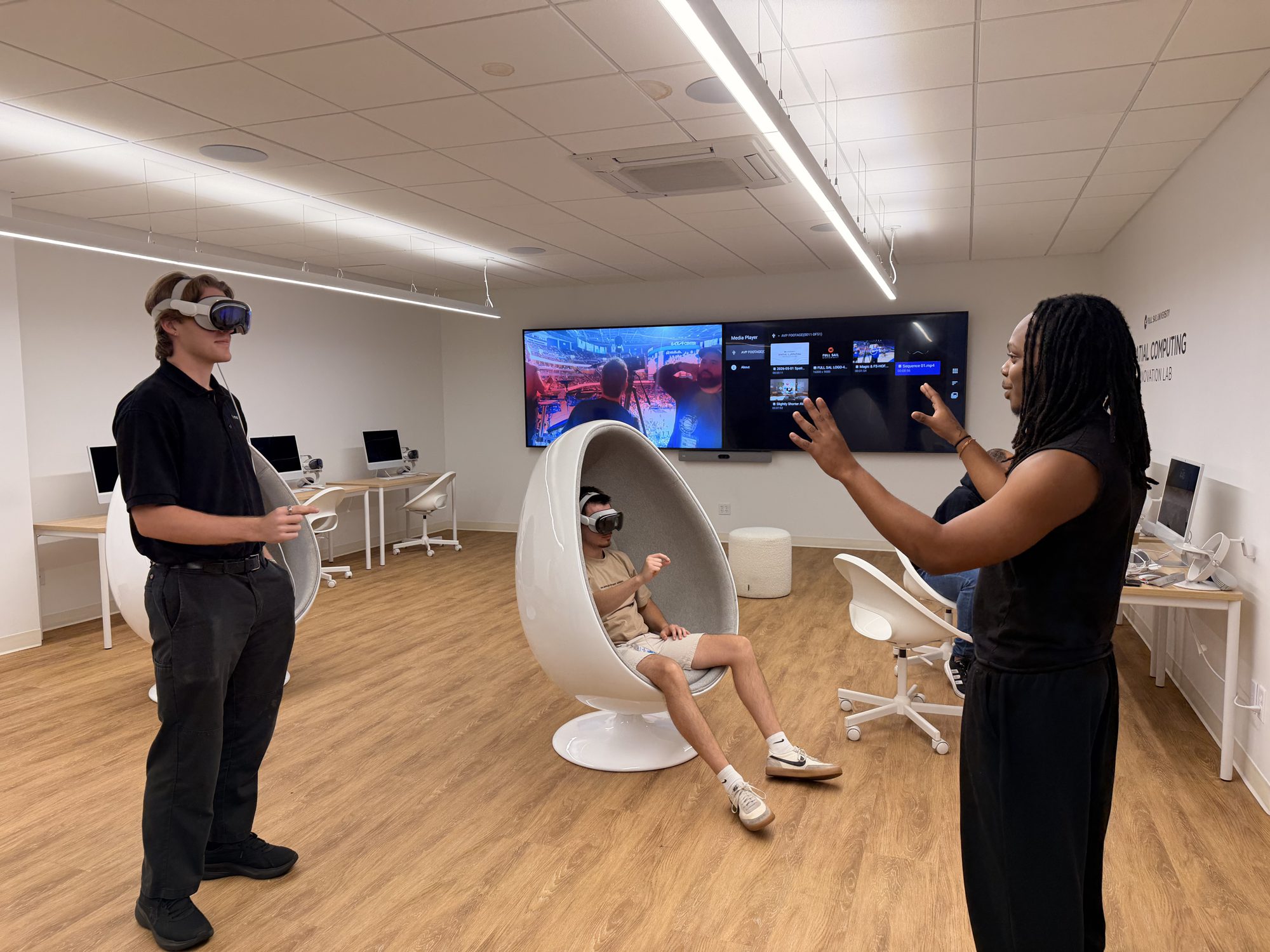
Install on your headsets and run the built-in tour. We run the first session with your instructors.
Practice
Students rotate through the stations in the lab. Mistakes get caught and fixed on the spot.
Review
Instructors use session history and logs to coach, then track improvement from run to run.
Most programs start here
Classroom or Program plan, one year, with the headsets you already have.